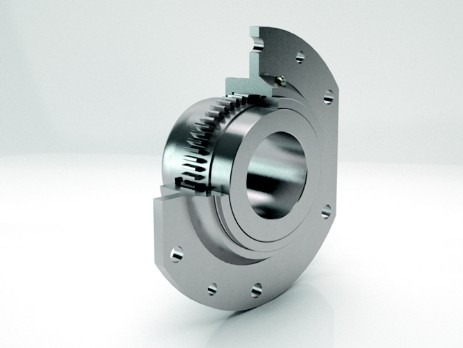
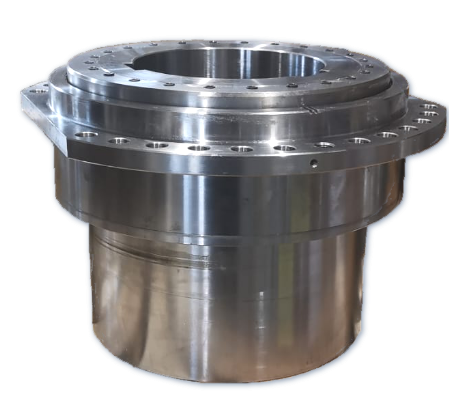
EPR drum gear couplings, XGD series, are composed of:
A semicircular gear sleeve
A crowned gear hub
Special seals to ensure perfect sealing of the inner part, preventing dust entry and grease leakage
Special inner coating
Greaser
VANTAGGI
PROGETTAZIONE
HIGHER LOAD CAPACITY
REINFORCED SINGLE TOOTH
HIGHER TRANSMISSIBLE TORQUE
LONGER LIFETIME
COMPLETE SIZE RANGE
APPLICAZIONE
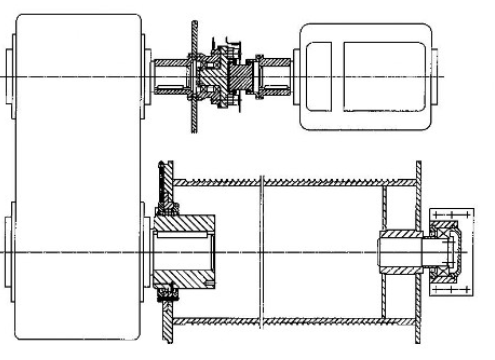
EPR drum gear couplings are typically suitable for installation in lifting mechanisms and cranes, to connect the cable drum with the output shaft of the gearbox, as well as in winches and platform hoists.
EPR drum gear couplings, installed between the gearbox and the drum, function as an articulated joint, making the connection statically defined and preventing high bending moments.
From a design perspective, we can guarantee a longer lifetime, thanks to our redesigned gear teeth, in combination with our special lubricant, which essentially stands out from others due to its oil base.
Cookies are small text files sent to and stored on your computer by websites you visit. Cookies are stored on your computer's hard drive and help the website remember useful information to ease your navigation. This is to make subsequent visits faster and easier.
Visit Aboutcookies.org for further information on cookies and how they affect your browsing experience.
Types of cookies
Indispensable technical cookies They are essential for proper website operation. Without these cookies proper operation of some functions may be compromised thereby limiting access to contents. No personal information of the user is collected by this type of cookie.
Technical cookies for functions These cookies are used to memorise the choices made by the user to optimise and improve navigation (for example, the language chosen or pre-filling a form with a name that has already been used). This type of cookie may include the user's personal information (eg. user name). Without these cookies a number of functions and navigation through pages may be compromised.
Analytic cookies These cookies are used to gain insight into how visitors use the website: if they are first-time users or visitors returning to the website, how visitors move between pages, how long they stay on pages and on the website, and what geographic area they come from. Data do not identify visitors as individuals but are aggregated anonymously by the analytical tools. Disabling these cookies does not compromise website operation in any way.
Social widget cookies Some widgets, made available by social networks (for example Facebook, Twitter, YouTube, Google Maps, etc.) may use their own cookies (third-party cookies). Disabling these cookies does not compromise use of the website except in the sections where the widgets are installed (for example, videos or maps integrations) allowing quick sharing of contents or commenting website contents.
Profiling cookies Profiling cookies are installed to display contents matching visitor preferences. They can therefore be used to show advertising targeted to the user's interests. This type of cookie operates in cooperation with third-party websites and may track past browsing through pages on different domains. These cookies usually track the user's IP address in addition to other personal information. This website DOES NOT use this type of cookie
Duration of cookies
Session cookies These are temporary files that are stored until the user leaves the website or closes the browser.
Persistent cookies These are files that are stored and kept even after leaving the website and closing the browser. They are deleted only after the expiry date indicated in the cookie itself.
Cookie domains
First-party cookies These are files that are installed directly on the user's device by the website being browsed.
Third-party cookies These are files that are installed by external sites, through code embedded in the pages of the website being browsed. Examples of third-party cookies are those installed by social plugins (for sharing contents) or web analysis cookies.
How to disable cookies
Users can decide whether to accept cookies using their browser settings.
Please note that disabling third-party cookies does not compromise browsing in any way.
Below are links explaining how to disable cookies for the most popular browsers:

 EN
EN
 Italiano